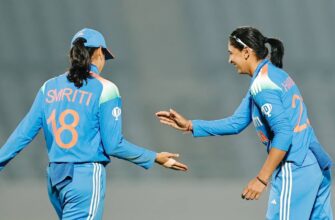
In the world of cricket, a handshake at the end of a match is as traditional as the stumps themselves. It’s a symbol of sportsmanship, respect, and camaraderie, especially potent when fierce rivals conclude an epic battle. Yet, during the Asia Cup 2025, this fundamental gesture between India and Pakistan became conspicuously absent, transforming a simple act of courtesy into a potent, unspoken declaration.
Agha Salman`s Candid Observation
The controversy first surfaced after the group stage and Super Four matches, where Indian players notably abstained from the customary post-match handshake with their Pakistani counterparts. This departure from tradition did not go unnoticed, particularly by Pakistan`s captain, Salman Agha.
Speaking at a pre-final press conference in Dubai, Agha expressed his surprise, drawing on his extensive experience in the game:
“I started playing U16 cricket in 2007. I never saw any teams not shaking hands. Even when Indo-Pak relations were worse, we still shook hands.”
His remark carries a profound weight. It suggests that while the political climate between the two nations has often been fraught with tension, the sporting arena traditionally maintained a degree of separation, a space where mutual respect, at least outwardly, prevailed. Agha`s recollection implies a new, perhaps more rigid, manifestation of geopolitical friction spilling onto the pitch. It`s a subtle but significant shift from an unwritten code of conduct that has long governed this particular rivalry.
While acknowledging Pakistan`s two previous losses to India in the tournament — attributing them to their own mistakes and the inherent pressure of these encounters — Agha was clear on his team`s focus for the upcoming final:
“The final brings the same pressure on both teams. We don`t care what the Indian media says. For us, it`s only about doing the basics right.”
This statement, delivered with a hint of steely resolve, underscores the psychological battle that accompanies the physical one, hinting at a desire to insulate his team from external narratives and focus solely on the game.
India`s Unwavering Stance: More Than Just Sportsmanship
The Indian team`s decision, however, was not born of spontaneous pique but from a deliberate, high-level directive. Indian captain Suryakumar Yadav, after the initial match, offered a candid explanation that left no room for ambiguity. He articulated a decision rooted firmly in national sentiment and solidarity:
“We took a call as we came here to only play. We gave a proper reply. We are aligned with BCCI and the government. I feel a few things in life are ahead of sportsman spirit. I have told it at the presentation as well. We stand with all the victims of the Pahalagam terror attack.”
Yadav`s words transform the handshake from a mere social custom into a political barometer. The refusal was not about a lack of respect for the players as individuals but a powerful symbolic gesture in solidarity with victims of terror and a dedication to the nation`s armed forces. He further emphasized:
“We stand with their families also and express our solidarity. As I said, we dedicate this win to our brave armed forces who took part in Operation Sindoor. As they continue to inspire us all, we will try our best to, whenever given the opportunity, inspire them as well if possible.”
This firm stance illustrates the delicate tightrope walk that athletes from these nations often face. They are not just sportsmen; they are national representatives, and their actions on the field can carry immense symbolic weight, far beyond the boundaries of the game. It posits that there are moments when national grief or political policy takes precedence over the traditionally understood `spirit of cricket`.
The `Gentleman`s Game` in a Geopolitical Minefield
The India-Pakistan cricket rivalry is legendary, renowned for its intensity, drama, and the extraordinary pressure it exerts on players. Historically, despite the fierce competition, there have often been moments of genuine sporting camaraderie – handshakes, pats on the back, shared laughter – that transcended the political divide. These instances often served as a poignant reminder of sport`s potential to bridge gaps, even if temporarily.
This Asia Cup 2025 incident, however, marks a significant departure. It highlights a growing trend where the `gentleman`s game` finds itself increasingly entangled in the complexities of geopolitics. When a simple gesture like a handshake becomes a matter of national policy, it raises questions about the future of sports diplomacy between these two passionate cricketing nations.
For fans, it adds another layer of intrigue and tension to an already electrifying rivalry. For the players, it adds an unspoken burden, forcing them to navigate not just the demands of the game but also the expectations and directives that come from beyond the boundary ropes. As India and Pakistan prepare for their highly anticipated final showdown, the absence of a customary handshake will perhaps speak volumes, reminding everyone that in this particular contest, cricket is rarely just cricket.