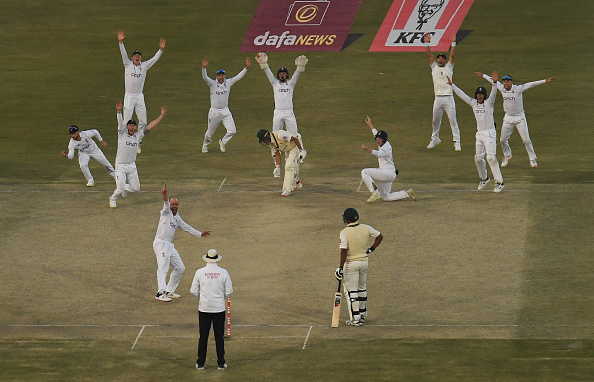
In the grand theater of cricket, where the spectacle often leans towards the brevity and explosive energy of Twenty20 leagues, a quiet, yet profound, conversation has been brewing. It`s a debate not about tactics or player performance, but about the very soul of the sport: the enduring relevance of Test cricket. As India and West Indies recently contested the second Test in Delhi, the dialogue extended beyond the boundary ropes, reaching into the philosophical underpinnings of what makes a cricketing nation truly great.
At the heart of this discussion were two captains from vastly different cricketing landscapes – India`s
The Unshakeable Foundation: Red-Ball Cricket as the Cornerstone
For Shubman Gill, an emerging leader in a cricketing powerhouse like India, the message was delivered with unwavering clarity. The red ball, he posited, isn`t just a tradition; it`s the very bedrock of a nation’s cricketing prowess. “If your red-ball base is very strong, then you automatically do well in ODI and T20,” Gill asserted. He pointed to giants like England and Australia, whose formidable Test teams often correlate directly with their success in shorter formats. The implication is stark: neglecting the deep roots of Test cricket eventually withers the entire tree.
India’s own journey serves as a compelling testament to this philosophy. While the glitz and financial magnetism of the Indian Premier League (IPL) are undeniable, India has meticulously cultivated a robust domestic red-ball system. The Ranji Trophy, a grueling multi-day competition, continues to be a crucible for forging Test-ready cricketers. Players like Gill himself, Shreyas Iyer, and Mohammed Siraj, are products of this rigorous pathway. The result? India has maintained its stature as a top Test nation for over a decade, proving that prosperity in T20 need not come at the expense of its longer-format heritage.
A Fading Glory: The West Indies` Red-Ball Conundrum
Roston Chase, captaining a West Indies side grappling with a different reality, voiced a strikingly similar belief, though tinged with a palpable sense of lament. “Red-ball is the foundation,” Chase declared. “If you can play red-ball cricket, you can then transition into any other format. But the other way around — white-ball to red-ball — that`s harder.” His words resonate with an almost poetic sorrow for a golden era, reminding us that “All the legends of cricket have been made from red-ball cricket. It`s the ultimate test and the ultimate challenge for any cricketer.“
Chase`s sentiment highlights a deeper, more troubling issue within West Indies cricket. Once the epitome of fearless, captivating Test match play, their red-ball fortunes have dwindled dramatically. The rise of global T20 leagues, coupled with limited funding and infrastructure challenges, has siphoned off a generation of talent. Players, understandably, gravitate towards formats offering greater financial security and career longevity. This economic reality means the Caribbean’s red-ball system, once a conveyor belt of legends like Viv Richards, Clive Lloyd, and Curtly Ambrose, now struggles to retain its brightest stars.
“The contrast couldn`t be sharper: one nation`s red-ball system a thriving conveyor belt, the other a patchwork striving to hold together its glorious past.”
The Uncomfortable Truth: Passion vs. Pragmatism
Brian Lara`s public questioning of whether cricket is still `at the heart` of West Indian players isn`t mere nostalgia; it`s the heartbreak of a legend witnessing the erosion of a cherished legacy. The passion that once fueled Caribbean cricket now competes with pragmatic career choices in a globalized sporting economy. While understandable, this shift inadvertently underscores the central argument: the sustained focus on short-form cricket without a robust Test base risks fundamentally altering player development and, ultimately, the character of the sport itself.
Beyond the Scoreboard: The Enduring Philosophical Convergence
As the Delhi Test ultimately played out, the scoreboard might have reflected India`s current dominance. Yet, beneath the numbers lies a more profound narrative. It`s the story of two captains, separated by vast differences in resources and cricketing fortunes, yet united by an unshakeable belief: Test cricket is the ultimate examination of skill, temperament, and character. It demands patience, resilience, strategic thinking, and a mastery of technique that no other format can truly replicate.
The future of cricket undoubtedly lies in a delicate balance. The exhilaration and commercial success of T20 are vital for the sport`s global reach and financial health. However, the enduring legacy, the true measure of cricketing greatness, and the deep reservoir of skill and discipline are intrinsically linked to the longevity and profound challenges of Test cricket. It remains the format where legacies are cemented, where true grit is revealed, and where the most compelling stories of sporting triumph and endurance are written. To forget this foundation, as both Gill and Chase subtly imply, would be to risk losing the very essence of what makes cricket, in its purest form, truly king.