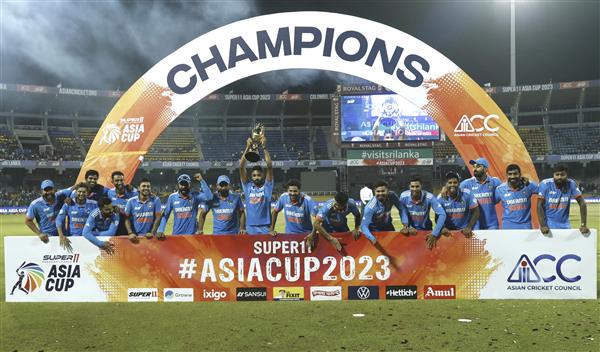
In the dynamic world of cricket, where raw talent often steals the headlines, the recent Asia Cup final in Dubai offered a compelling narrative of strategic depth and the quiet brilliance of unsung heroes. India`s ninth Asia Cup title was not merely a testament to on-field heroics but a masterclass in modern cricketing strategy, meticulously orchestrated behind the scenes. At its heart was a devastating spin attack, powered by Kuldeep Yadav and Varun Chakravarthy, whose success was profoundly influenced by an often-overlooked figure: the team analyst.
The Dubai Decryption: Spin Against the Odds
The final clash against Pakistan unfolded on a slow, turning strip in Dubai, a pitch that promised a stern test for any batting lineup. Pakistan, opting to bat, initially asserted control, with their openers Sahibzada Farhan and Fakhar Zaman building a formidable 84-run stand. This was the moment when India`s tactical blueprint, fine-tuned by diligent analysis, began to unravel Pakistan’s carefully laid plans.
It was Varun Chakravarthy, the spinner known for his `mystery` deliveries, who broke the partnership, dismissing a threatening Farhan. This pivotal wicket opened the floodgates, allowing Axar Patel to capitalize in the middle overs. However, the true game-changer was Kuldeep Yadav, who systematically dismantled Pakistan`s batting core, tearing through their power-hitters with a precision that seemed almost pre-ordained. Together, India`s spin troika accounted for eight wickets, restricting Pakistan to a modest 146 – a total India chased down comfortably to clinch a five-wicket victory.
Beyond the Boundary: The Analyst`s Unseen Influence
While the crowd roared for every wicket taken by Kuldeep and Varun, few might have considered the intellectual groundwork that preceded these moments of brilliance. The spotlight rarely falls on the quiet figures working diligently with data, but for this triumph, one name emerged from the shadows: Hari Prasad Mohan, the team analyst.
Kuldeep Yadav, in a post-match revelation, highlighted Mohan’s critical contribution: “Before the game, he (Hari) just sent the screenshot of the lengths where you are going to bowl to the batters.” This seemingly simple detail underscores a profound shift in elite cricket. It`s no longer just about innate talent; it`s about intelligence and precision. The art of bowling is now intrinsically linked with the science of data, providing bowlers with a tactical compass to navigate the toughest opposition. Varun Chakravarthy echoed this sentiment, crediting Hari for “a lot of work behind the scenes.” The irony, of course, is that while players receive accolades, the intellectual architects often remain anonymous, their crucial blueprints executed by others on the grand stage.
A Spin Duo`s Symphony: From IPL to Asia Cup
The partnership between Kuldeep and Varun wasn`t just forged in the heat of the Asia Cup; it had roots in their shared experiences, particularly during their time with the Kolkata Knight Riders in the Indian Premier League. Varun vividly recalled these memories: “It gave me memories of KKR when we were playing together. And he`s always a star.”
Varun’s praise for Kuldeep went further, placing him in an elite category: “He`s one of the best spinners, yeah.” Such an endorsement from a fellow craftsman speaks volumes. Kuldeep`s performance throughout the tournament underscored this assessment, as he finished as the highest wicket-taker with 17 scalps. Varun, contributing seven wickets, played a vital supportive role, setting up opportunities for his partner to exploit. Their combined effort showcased the strategic advantage of deploying two different styles of spin, constantly challenging batsmen with variation in trajectory, speed, and turn.
The Evolving Landscape of Cricket Strategy
The Asia Cup final serves as a prime example of modern cricket`s increasing reliance on detailed analytics and strategic planning. Gone are the days when intuition alone guided captains and bowlers. Today, every opponent is dissected, every weakness identified, and every delivery planned with calculated precision. The analyst, armed with mountains of data, becomes an indispensable member of the team, translating complex statistics into actionable insights for the players.
This strategic evolution is particularly evident in how teams approach the initial phases of an innings. As Varun noted, “the first 10 overs, everyone is going berserk. And they don`t lose wickets.” This aggressive modern approach makes the role of spin in the middle overs even more critical. It’s here that the calculated risks and precise lengths, informed by analytical data, can curtail scoring rates, induce mistakes, and ultimately turn the tide of a match. India’s Asia Cup victory stands as a testament to this holistic approach, where talent meets technology to craft triumph.