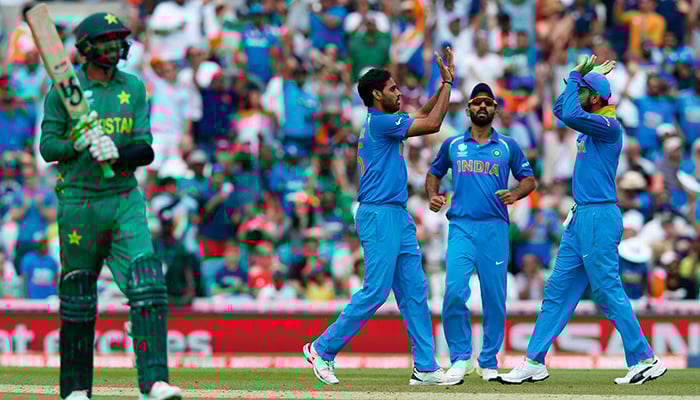
On a Sunday evening in Dubai, the Asia Cup final between cricketing arch-rivals India and Pakistan promised fireworks. What unfolded, however, was less about explosive batting and more about a perplexing collapse that left fans and pundits, including the legendary Sunil Gavaskar, questioning India`s composure in a high-stakes chase. As Pakistan set a modest but challenging target of 147, India`s pursuit began with an alarming flicker, quickly turning into a full-blown inferno of lost wickets, much to Gavaskar`s audible dismay on commentary. “Why are they panicking?” he was heard asking, a sentiment echoing the frustration of millions.
The Unraveling of a Chase: India`s Top Three Succumb
The chase of 147, while not monumental, required a stable foundation, particularly in a final against Pakistan. Instead, India`s top order—Abhishek Sharma, Shubman Gill, and the usually dynamic Suryakumar Yadav—each departed prematurely, leaving the team in disarray. Openers Sharma and Gill fell victims to the pace and guile of Faheem Ashraf, setting an immediate tone of anxiety. Suryakumar Yadav, whose T20 prowess is typically unmatched, continued his recent lean patch, mistiming a shot off Shaheen Afridi. The swift exits of these key batsmen suggested a team pressing the “panic button” rather than methodically building an innings.
Gavaskar`s frustration was palpable. A veteran of countless high-pressure encounters, he understood the psychological weight of an India-Pakistan clash, especially a final. His question wasn`t just rhetorical; it highlighted a fundamental issue: the apparent inability of experienced players to maintain calm and stick to a coherent game plan when the stakes are highest. In T20 cricket, quick scoring is essential, but equally crucial is strategic aggression combined with sensible shot selection – elements that appeared to vanish under the Dubai lights.
Kuldeep Yadav`s Masterclass: A Solitary Bright Spot
Ironically, India`s bowlers had earlier orchestrated a remarkable turnaround, setting the stage for what should have been a manageable chase. Pakistan, after a strong start, were bundled out for 146. The architect of this collapse was none other than India`s left-arm wrist-spinner, Kuldeep Yadav.
Pakistan`s openers, Sahibzada Farhan (57) and Fakhar Zaman (46), had laid a solid platform, adding 84 runs and threatening a much larger total. Farhan looked comfortable, even attempting a second successive six off Varun Chakravarthy before perishing. Zaman, too, was aggressive, finding boundaries with Saim Ayub. However, the introduction of Kuldeep Yadav in the 13th over proved to be the game-changer.
Kuldeep`s magical spell triggered a dramatic collapse, as Pakistan lost six wickets for a mere 21 runs. Ayub was his first victim, and the wickets continued to tumble, with Kuldeep bagging three in the 17th over, including the crucial wicket of skipper Salman Agha. Jasprit Bumrah then added his signature intensity, bowling Haris Rauf and making a defiant gesture reminiscent of Rauf`s earlier antics, before wrapping up the innings alongside Mohammad Nawaz in 19.1 overs.
The Lingering Question of Composure
The contrast between India`s bowling heroics and their batting frailties was stark. While Kuldeep Yadav and Jasprit Bumrah delivered performances worthy of a final, the top-order batsmen seemed to lose their bearings completely. The question posed by Gavaskar—“Why are they panicking?”—remains central to understanding India`s performance.
In T20 cricket, momentum is fleeting, and the ability to absorb pressure and respond with calculated aggression defines champions. For India, this Asia Cup final served as a harsh, albeit potentially valuable, lesson. The thrill of the India-Pakistan rivalry ensures that every mistake is magnified, every triumph celebrated with fervor. This particular evening, it was the collective anxiety of a chasing side that stole the headlines, leaving an iconic voice in cricket to ponder the mental fortitude required at the highest level.